
Here is the Baptist Faith and Message 2000.
I. The Scriptures
The Holy Bible was written by men divinely inspired and is God's
revelation of Himself to man. It is a perfect treasure of divine
instruction. It has God for its author, salvation for its end, and
truth, without any mixture of error, for its matter. Therefore,
all Scripture is totally true and trustworthy. It reveals the principles
by which God judges us, and therefore is, and will remain to the
end of the world, the true center of Christian union, and the supreme
standard by which all human conduct, creeds, and religious opinions
should be tried. All Scripture is a testimony to Christ, who is
Himself the focus of divine revelation.
Exodus 24:4; Deuteronomy 4:1-2; 17:19; Joshua 8:34; Psalms 19:7-10;
119:11,89,105,140; Isaiah 34:16; 40:8; Jeremiah 15:16; 36:1-32;
Matthew 5:17-18; 22:29; Luke 21:33; 24:44-46; John 5:39; 16:13-15;
17:17; Acts 2:16ff.; 17:11; Romans 15:4; 16:25-26; 2 Timothy 3:15-17;
Hebrews 1:1-2; 4:12; 1 Peter 1:25; 2 Peter 1:19-21.
II. God
There is one and only one living and true God. He is an intelligent,
spiritual, and personal Being, the Creator, Redeemer, Preserver,
and Ruler of the universe. God is infinite in holiness and all other
perfections. God is all powerful and all knowing; and His perfect
knowledge extends to all things, past, present, and future, including
the future decisions of His free creatures. To Him we owe the highest
love, reverence, and obedience. The eternal triune God reveals Himself
to us as Father, Son, and Holy Spirit, with distinct personal attributes,
but without division of nature, essence, or being.
A. God the Father
God as Father reigns with providential care over His universe,
His creatures, and the flow of the stream of human history according
to the purposes of His grace. He is all powerful, all knowing, all
loving, and all wise. God is Father in truth to those who become
children of God through faith in Jesus Christ. He is fatherly in
His attitude toward all men.
Genesis 1:1; 2:7; Exodus 3:14; 6:2-3; 15:11ff.; 20:1ff.; Leviticus
22:2; Deuteronomy 6:4; 32:6; 1 Chronicles 29:10; Psalm 19:1-3; Isaiah
43:3,15; 64:8; Jeremiah 10:10; 17:13; Matthew 6:9ff.; 7:11; 23:9;
28:19; Mark 1:9-11; John 4:24; 5:26; 14:6-13; 17:1-8; Acts 1:7;
Romans 8:14-15; 1 Corinthians 8:6; Galatians 4:6; Ephesians 4:6;
Colossians 1:15; 1 Timothy 1:17; Hebrews 11:6; 12:9; 1 Peter 1:17;
1 John 5:7.
B. God the Son
Christ is the eternal Son of God. In His incarnation as Jesus Christ
He was conceived of the Holy Spirit and born of the virgin Mary.
Jesus perfectly revealed and did the will of God, taking upon Himself
human nature with its demands and necessities and identifying Himself
completely with mankind yet without sin. He honored the divine law
by His personal obedience, and in His substitutionary death on the
cross He made provision for the redemption of men from sin. He was
raised from the dead with a glorified body and appeared to His disciples
as the person who was with them before His crucifixion. He ascended
into heaven and is now exalted at the right hand of God where He
is the One Mediator, fully God, fully man, in whose Person is effected
the reconciliation between God and man. He will return in power
and glory to judge the world and to consummate His redemptive mission.
He now dwells in all believers as the living and ever present Lord.
Genesis 18:1ff.; Psalms 2:7ff.; 110:1ff.; Isaiah 7:14; 53; Matthew
1:18-23; 3:17; 8:29; 11:27; 14:33; 16:16,27; 17:5; 27; 28:1-6,19;
Mark 1:1; 3:11; Luke 1:35; 4:41; 22:70; 24:46; John 1:1-18,29; 10:30,38;
11:25-27; 12:44-50; 14:7-11; 16:15-16,28; 17:1-5, 21-22; 20:1-20,28;
Acts 1:9; 2:22-24; 7:55-56; 9:4-5,20; Romans 1:3-4; 3:23-26; 5:6-21;
8:1-3,34; 10:4; 1 Corinthians 1:30; 2:2; 8:6; 15:1-8,24-28; 2 Corinthians
5:19-21; 8:9; Galatians 4:4-5; Ephesians 1:20; 3:11; 4:7-10; Philippians
2:5-11; Colossians 1:13-22; 2:9; 1 Thessalonians 4:14-18; 1 Timothy
2:5-6; 3:16; Titus 2:13-14; Hebrews 1:1-3; 4:14-15; 7:14-28; 9:12-15,24-28;
12:2; 13:8; 1 Peter 2:21-25; 3:22; 1 John 1:7-9; 3:2; 4:14-15; 5:9;
2 John 7-9; Revelation 1:13-16; 5:9-14; 12:10-11; 13:8; 19:16.
C. God the Holy Spirit
The Holy Spirit is the Spirit of God, fully divine. He inspired
holy men of old to write the Scriptures. Through illumination He
enables men to understand truth. He exalts Christ. He convicts men
of sin, of righteousness, and of judgment. He calls men to the Saviour,
and effects regeneration. At the moment of regeneration He baptizes
every believer into the Body of Christ. He cultivates Christian
character, comforts believers, and bestows the spiritual gifts by
which they serve God through His church. He seals the believer unto
the day of final redemption. His presence in the Christian is the
guarantee that God will bring the believer into the fullness of
the stature of Christ. He enlightens and empowers the believer and
the church in worship, evangelism, and service.
Genesis 1:2; Judges 14:6; Job 26:13; Psalms 51:11; 139:7ff.;
Isaiah 61:1-3; Joel 2:28-32; Matthew 1:18; 3:16; 4:1; 12:28-32;
28:19; Mark 1:10,12; Luke 1:35; 4:1,18-19; 11:13; 12:12; 24:49;
John 4:24; 14:16-17,26; 15:26; 16:7-14; Acts 1:8; 2:1-4,38; 4:31;
5:3; 6:3; 7:55; 8:17,39; 10:44; 13:2; 15:28; 16:6; 19:1-6; Romans
8:9-11,14-16,26-27; 1 Corinthians 2:10-14; 3:16; 12:3-11,13; Galatians
4:6; Ephesians 1:13-14; 4:30; 5:18; 1 Thessalonians 5:19; 1 Timothy
3:16; 4:1; 2 Timothy 1:14; 3:16; Hebrews 9:8,14; 2 Peter 1:21; 1
John 4:13; 5:6-7; Revelation 1:10; 22:17.
III. Man
Man is the special creation of God, made in His own image. He created
them male and female as the crowning work of His creation. The gift
of gender is thus part of the goodness of God's creation. In the
beginning man was innocent of sin and was endowed by his Creator
with freedom of choice. By his free choice man sinned against God
and brought sin into the human race. Through the temptation of Satan
man transgressed the command of God, and fell from his original
innocence whereby his posterity inherit a nature and an environment
inclined toward sin. Therefore, as soon as they are capable of moral
action, they become transgressors and are under condemnation. Only
the grace of God can bring man into His holy fellowship and enable
man to fulfill the creative purpose of God. The sacredness of human
personality is evident in that God created man in His own image,
and in that Christ died for man; therefore, every person of every
race possesses full dignity and is worthy of respect and Christian
love.
Genesis 1:26-30; 2:5,7,18-22; 3; 9:6; Psalms 1; 8:3-6; 32:1-5;
51:5; Isaiah 6:5; Jeremiah 17:5; Matthew 16:26; Acts 17:26-31; Romans
1:19-32; 3:10-18,23; 5:6,12,19; 6:6; 7:14-25; 8:14-18,29; 1 Corinthians
1:21-31; 15:19,21-22; Ephesians 2:1-22; Colossians 1:21-22; 3:9-11.
IV. Salvation
Salvation involves the redemption of the whole man, and is offered
freely to all who accept Jesus Christ as Lord and Saviour, who by
His own blood obtained eternal redemption for the believer. In its
broadest sense salvation includes regeneration, justification, sanctification,
and glorification. There is no salvation apart from personal faith
in Jesus Christ as Lord.
A. Regeneration, or the new birth, is a work of God's grace whereby
believers become new creatures in Christ Jesus. It is a change of
heart wrought by the Holy Spirit through conviction of sin, to which
the sinner responds in repentance toward God and faith in the Lord
Jesus Christ. Repentance and faith are inseparable experiences of
grace.
Repentance is a genuine turning from sin toward God. Faith is the
acceptance of Jesus Christ and commitment of the entire personality
to Him as Lord and Saviour.
B. Justification is God's gracious and full acquittal upon principles
of His righteousness of all sinners who repent and believe in Christ.
Justification brings the believer unto a relationship of peace and
favor with God.
C. Sanctification is the experience, beginning in regeneration,
by which the believer is set apart to God's purposes, and is enabled
to progress toward moral and spiritual maturity through the presence
and power of the Holy Spirit dwelling in him. Growth in grace should
continue throughout the regenerate person's life.
D. Glorification is the culmination of salvation and is the final
blessed and abiding state of the redeemed.
Genesis 3:15; Exodus 3:14-17; 6:2-8; Matthew 1:21; 4:17; 16:21-26;
27:22-28:6; Luke 1:68-69; 2:28-32; John 1:11-14,29; 3:3-21,36; 5:24;
10:9,28-29; 15:1-16; 17:17; Acts 2:21; 4:12; 15:11; 16:30-31; 17:30-31;
20:32; Romans 1:16-18; 2:4; 3:23-25; 4:3ff.; 5:8-10; 6:1-23; 8:1-18,29-39;
10:9-10,13; 13:11-14; 1 Corinthians 1:18,30; 6:19-20; 15:10; 2 Corinthians
5:17-20; Galatians 2:20; 3:13; 5:22-25; 6:15; Ephesians 1:7; 2:8-22;
4:11-16; Philippians 2:12-13; Colossians 1:9-22; 3:1ff.; 1 Thessalonians
5:23-24; 2 Timothy 1:12; Titus 2:11-14; Hebrews 2:1-3; 5:8-9; 9:24-28;
11:1-12:8,14; James 2:14-26; 1 Peter 1:2-23; 1 John 1:6-2:11; Revelation
3:20; 21:1-22:5.
V. God's Purpose of Grace
Election is the gracious purpose of God, according to which He
regenerates, justifies, sanctifies, and glorifies sinners. It is
consistent with the free agency of man, and comprehends all the
means in connection with the end. It is the glorious display of
God's sovereign goodness, and is infinitely wise, holy, and unchangeable.
It excludes boasting and promotes humility.
All true believers endure to the end. Those whom God has accepted
in Christ, and sanctified by His Spirit, will never fall away from
the state of grace, but shall persevere to the end. Believers may
fall into sin through neglect and temptation, whereby they grieve
the Spirit, impair their graces and comforts, and bring reproach
on the cause of Christ and temporal judgments on themselves; yet
they shall be kept by the power of God through faith unto salvation.
Genesis 12:1-3; Exodus 19:5-8; 1 Samuel 8:4-7,19-22; Isaiah
5:1-7; Jeremiah 31:31ff.; Matthew 16:18-19; 21:28-45; 24:22,31;
25:34; Luke 1:68-79; 2:29-32; 19:41-44; 24:44-48; John 1:12-14;
3:16; 5:24; 6:44-45,65; 10:27-29; 15:16; 17:6,12,17-18; Acts 20:32;
Romans 5:9-10; 8:28-39; 10:12-15; 11:5-7,26-36; 1 Corinthians 1:1-2;
15:24-28; Ephesians 1:4-23; 2:1-10; 3:1-11; Colossians 1:12-14;
2 Thessalonians 2:13-14; 2 Timothy 1:12; 2:10,19; Hebrews 11:39–12:2;
James 1:12; 1 Peter 1:2-5,13; 2:4-10; 1 John 1:7-9; 2:19; 3:2.
VI. The Church
A New Testament church of the Lord Jesus Christ is an autonomous
local congregation of baptized believers, associated by covenant
in the faith and fellowship of the gospel; observing the two ordinances
of Christ, governed by His laws, exercising the gifts, rights, and
privileges invested in them by His Word, and seeking to extend the
gospel to the ends of the earth. Each congregation operates under
the Lordship of Christ through democratic processes. In such a congregation
each member is responsible and accountable to Christ as Lord. Its
scriptural officers are pastors and deacons. While both men and
women are gifted for service in the church, the office of pastor
is limited to men as qualified by Scripture.
The New Testament speaks also of the church as the Body of Christ
which includes all of the redeemed of all the ages, believers from
every tribe, and tongue, and people, and nation.
Matthew 16:15-19; 18:15-20; Acts 2:41-42,47; 5:11-14; 6:3-6;
13:1-3; 14:23,27; 15:1-30; 16:5; 20:28; Romans 1:7; 1 Corinthians
1:2; 3:16; 5:4-5; 7:17; 9:13-14; 12; Ephesians 1:22-23; 2:19-22;
3:8-11,21; 5:22-32; Philippians 1:1; Colossians 1:18; 1 Timothy
2:9-14; 3:1-15; 4:14; Hebrews 11:39-40; 1 Peter 5:1-4; Revelation
2-3; 21:2-3.
VII. Baptism and the Lord's
Supper
Christian baptism is the immersion of a believer in water in the
name of the Father, the Son, and the Holy Spirit. It is an act of
obedience symbolizing the believer's faith in a crucified, buried,
and risen Saviour, the believer's death to sin, the burial of the
old life, and the resurrection to walk in newness of life in Christ
Jesus. It is a testimony to his faith in the final resurrection
of the dead. Being a church ordinance, it is prerequisite to the
privileges of church membership and to the Lord's Supper.
The Lord's Supper is a symbolic act of obedience whereby members
of the church, through partaking of the bread and the fruit of the
vine, memorialize the death of the Redeemer and anticipate His second
coming.
Matthew 3:13-17; 26:26-30; 28:19-20; Mark 1:9-11; 14:22-26;
Luke 3:21-22; 22:19-20; John 3:23; Acts 2:41-42; 8:35-39; 16:30-33;
20:7; Romans 6:3-5; 1 Corinthians 10:16,21; 11:23-29; Colossians
2:12.
VIII. The Lord's Day
The first day of the week is the Lord's Day. It is a Christian
institution for regular observance. It commemorates the resurrection
of Christ from the dead and should include exercises of worship
and spiritual devotion, both public and private. Activities on the
Lord's Day should be commensurate with the Christian's conscience
under the Lordship of Jesus Christ.
Exodus 20:8-11; Matthew 12:1-12; 28:1ff.; Mark 2:27-28; 16:1-7;
Luke 24:1-3,33-36; John 4:21-24; 20:1,19-28; Acts 20:7; Romans 14:5-10;
I Corinthians 16:1-2; Colossians 2:16; 3:16; Revelation 1:10.
IX. The Kingdom
The Kingdom of God includes both His general sovereignty over the
universe and His particular kingship over men who willfully acknowledge
Him as King. Particularly the Kingdom is the realm of salvation
into which men enter by trustful, childlike commitment to Jesus
Christ. Christians ought to pray and to labor that the Kingdom may
come and God's will be done on earth. The full consummation of the
Kingdom awaits the return of Jesus Christ and the end of this age.
Genesis 1:1; Isaiah 9:6-7; Jeremiah 23:5-6; Matthew 3:2; 4:8-10,23;
12:25-28; 13:1-52; 25:31-46; 26:29; Mark 1:14-15; 9:1; Luke 4:43;
8:1; 9:2; 12:31-32; 17:20-21; 23:42; John 3:3; 18:36; Acts 1:6-7;
17:22-31; Romans 5:17; 8:19; 1 Corinthians 15:24-28; Colossians
1:13; Hebrews 11:10,16; 12:28; 1 Peter 2:4-10; 4:13; Revelation
1:6,9; 5:10; 11:15; 21-22.
X. Last Things
God, in His own time and in His own way, will bring the world to
its appropriate end. According to His promise, Jesus Christ will
return personally and visibly in glory to the earth; the dead will
be raised; and Christ will judge all men in righteousness. The unrighteous
will be consigned to Hell, the place of everlasting punishment.
The righteous in their resurrected and glorified bodies will receive
their reward and will dwell forever in Heaven with the Lord.
Isaiah 2:4; 11:9; Matthew 16:27; 18:8-9; 19:28; 24:27,30,36,44;
25:31-46; 26:64; Mark 8:38; 9:43-48; Luke 12:40,48; 16:19-26; 17:22-37;
21:27-28; John 14:1-3; Acts 1:11; 17:31; Romans 14:10; 1 Corinthians
4:5; 15:24-28,35-58; 2 Corinthians 5:10; Philippians 3:20-21; Colossians
1:5; 3:4; 1 Thessalonians 4:14-18; 5:1ff.; 2 Thessalonians 1:7ff.;
2; 1 Timothy 6:14; 2 Timothy 4:1,8; Titus 2:13; Hebrews 9:27-28;
James 5:8; 2 Peter 3:7ff.; 1 John 2:28; 3:2; Jude 14; Revelation
1:18; 3:11; 20:1-22:13.
XI. Evangelism and Missions
It is the duty and privilege of every follower of Christ and of
every church of the Lord Jesus Christ to endeavor to make disciples
of all nations. The new birth of man's spirit by God's Holy Spirit
means the birth of love for others. Missionary effort on the part
of all rests thus upon a spiritual necessity of the regenerate life,
and is expressly and repeatedly commanded in the teachings of Christ.
The Lord Jesus Christ has commanded the preaching of the gospel
to all nations. It is the duty of every child of God to seek constantly
to win the lost to Christ by verbal witness undergirded by a Christian
lifestyle, and by other methods in harmony with the gospel of Christ.
Genesis 12:1-3; Exodus 19:5-6; Isaiah 6:1-8; Matthew 9:37-38;
10:5-15; 13:18-30, 37-43; 16:19; 22:9-10; 24:14; 28:18-20; Luke
10:1-18; 24:46-53; John 14:11-12; 15:7-8,16; 17:15; 20:21; Acts
1:8; 2; 8:26-40; 10:42-48; 13:2-3; Romans 10:13-15; Ephesians 3:1-11;
1 Thessalonians 1:8; 2 Timothy 4:5; Hebrews 2:1-3; 11:39-12:2; 1
Peter 2:4-10; Revelation 22:17.
XII. Education
Christianity is the faith of enlightenment and intelligence. In
Jesus Christ abide all the treasures of wisdom and knowledge. All
sound learning is, therefore, a part of our Christian heritage.
The new birth opens all human faculties and creates a thirst for
knowledge. Moreover, the cause of education in the Kingdom of Christ
is co-ordinate with the causes of missions and general benevolence,
and should receive along with these the liberal support of the churches.
An adequate system of Christian education is necessary to a complete
spiritual program for Christ's people.
In Christian education there should be a proper balance between
academic freedom and academic responsibility. Freedom in any orderly
relationship of human life is always limited and never absolute.
The freedom of a teacher in a Christian school, college, or seminary
is limited by the pre-eminence of Jesus Christ, by the authoritative
nature of the Scriptures, and by the distinct purpose for which
the school exists.
Deuteronomy 4:1,5,9,14; 6:1-10; 31:12-13; Nehemiah 8:1-8; Job
28:28; Psalms 19:7ff.; 119:11; Proverbs 3:13ff.; 4:1-10; 8:1-7,11;
15:14; Ecclesiastes 7:19; Matthew 5:2; 7:24ff.; 28:19-20; Luke 2:40;
1 Corinthians 1:18-31; Ephesians 4:11-16; Philippians 4:8; Colossians
2:3,8-9; 1 Timothy 1:3-7; 2 Timothy 2:15; 3:14-17; Hebrews 5:12-6:3;
James 1:5; 3:17.
XIII. Stewardship
God is the source of all blessings, temporal and spiritual; all
that we have and are we owe to Him. Christians have a spiritual
debtorship to the whole world, a holy trusteeship in the gospel,
and a binding stewardship in their possessions. They are therefore
under obligation to serve Him with their time, talents, and material
possessions; and should recognize all these as entrusted to them
to use for the glory of God and for helping others. According to
the Scriptures, Christians should contribute of their means cheerfully,
regularly, systematically, proportionately, and liberally for the
advancement of the Redeemer's cause on earth.
Genesis 14:20; Leviticus 27:30-32; Deuteronomy 8:18; Malachi
3:8-12; Matthew 6:1-4,19-21; 19:21; 23:23; 25:14-29; Luke 12:16-21,42;
16:1-13; Acts 2:44-47; 5:1-11; 17:24-25; 20:35; Romans 6:6-22; 12:1-2;
1 Corinthians 4:1-2; 6:19-20; 12; 16:1-4; 2 Corinthians 8-9; 12:15;
Philippians 4:10-19; 1 Peter 1:18-19.
XIV. Cooperation
Christ's people should, as occasion requires, organize such associations
and conventions as may best secure cooperation for the great objects
of the Kingdom of God. Such organizations have no authority over
one another or over the churches. They are voluntary and advisory
bodies designed to elicit, combine, and direct the energies of our
people in the most effective manner. Members of New Testament churches
should cooperate with one another in carrying forward the missionary,
educational, and benevolent ministries for the extension of Christ's
Kingdom. Christian unity in the New Testament sense is spiritual
harmony and voluntary cooperation for common ends by various groups
of Christ's people. Cooperation is desirable between the various
Christian denominations, when the end to be attained is itself justified,
and when such cooperation involves no violation of conscience or
compromise of loyalty to Christ and His Word as revealed in the
New Testament.
Exodus 17:12; 18:17ff.; Judges 7:21; Ezra 1:3-4; 2:68-69; 5:14-15;
Nehemiah 4; 8:1-5; Matthew 10:5-15; 20:1-16; 22:1-10; 28:19-20;
Mark 2:3; Luke 10:1ff.; Acts 1:13-14; 2:1ff.; 4:31-37; 13:2-3; 15:1-35;
1 Corinthians 1:10-17; 3:5-15; 12; 2 Corinthians 8-9; Galatians
1:6-10; Ephesians 4:1-16; Philippians 1:15-18.
XV. The Christian and the Social
Order
All Christians are under obligation to seek to make the will of
Christ supreme in our own lives and in human society. Means and
methods used for the improvement of society and the establishment
of righteousness among men can be truly and permanently helpful
only when they are rooted in the regeneration of the individual
by the saving grace of God in Jesus Christ. In the spirit of Christ,
Christians should oppose racism, every form of greed, selfishness,
and vice, and all forms of sexual immorality, including adultery,
homosexuality, and pornography. We should work to provide for the
orphaned, the needy, the abused, the aged, the helpless, and the
sick. We should speak on behalf of the unborn and contend for the
sanctity of all human life from conception to natural death. Every
Christian should seek to bring industry, government, and society
as a whole under the sway of the principles of righteousness, truth,
and brotherly love. In order to promote these ends Christians should
be ready to work with all men of good will in any good cause, always
being careful to act in the spirit of love without compromising
their loyalty to Christ and His truth.
Exodus 20:3-17; Leviticus 6:2-5; Deuteronomy 10:12; 27:17; Psalm
101:5; Micah 6:8; Zechariah 8:16; Matthew 5:13-16,43-48; 22:36-40;
25:35; Mark 1:29-34; 2:3ff.; 10:21; Luke 4:18-21; 10:27-37; 20:25;
John 15:12; 17:15; Romans 12–14; 1Corinthians 5:9-10; 6:1-7;
7:20-24; 10:23-11:1; Galatians 3:26-28; Ephesians 6:5-9; Colossians
3:12-17; 1 Thessalonians 3:12; Philemon; James 1:27; 2:8.
XVI. Peace and War
It is the duty of Christians to seek peace with all men on principles
of righteousness. In accordance with the spirit and teachings of
Christ they should do all in their power to put an end to war.
The true remedy for the war spirit is the gospel of our Lord. The
supreme need of the world is the acceptance of His teachings in
all the affairs of men and nations, and the practical application
of His law of love. Christian people throughout the world should
pray for the reign of the Prince of Peace.
Isaiah 2:4; Matthew 5:9,38-48; 6:33; 26:52; Luke 22:36,38; Romans
12:18-19; 13:1-7; 14:19; Hebrews 12:14; James 4:1-2.
XVII. Religious Liberty
God alone is Lord of the conscience, and He has left it free from
the doctrines and commandments of men which are contrary to His
Word or not contained in it. Church and state should be separate.
The state owes to every church protection and full freedom in the
pursuit of its spiritual ends. In providing for such freedom no
ecclesiastical group or denomination should be favored by the state
more than others. Civil government being ordained of God, it is
the duty of Christians to render loyal obedience thereto in all
things not contrary to the revealed will of God. The church should
not resort to the civil power to carry on its work. The gospel of
Christ contemplates spiritual means alone for the pursuit of its
ends. The state has no right to impose penalties for religious opinions
of any kind. The state has no right to impose taxes for the support
of any form of religion. A free church in a free state is the Christian
ideal, and this implies the right of free and unhindered access
to God on the part of all men, and the right to form and propagate
opinions in the sphere of religion without interference by the civil
power.
Genesis 1:27; 2:7; Matthew 6:6-7,24; 16:26; 22:21; John 8:36;
Acts 4:19-20; Romans 6:1-2; 13:1-7; Galatians 5:1,13; Philippians
3:20; 1 Timothy 2:1-2; James 4:12; 1 Peter 2:12-17; 3:11-17; 4:12-19.
XVIII. The Family
God has ordained the family as the foundational institution of
human society. It is composed of persons related to one another
by marriage, blood, or adoption.
Marriage is the uniting of one man and one woman in covenant commitment
for a lifetime. It is God's unique gift to reveal the union between
Christ and His church and to provide for the man and the woman in
marriage the framework for intimate companionship, the channel of
sexual expression according to biblical standards, and the means
for procreation of the human race.
The husband and wife are of equal worth before God, since both
are created in God's image. The marriage relationship models the
way God relates to His people. A husband is to love his wife as
Christ loved the church. He has the God-given responsibility to
provide for, to protect, and to lead his family. A wife is to submit
herself graciously to the servant leadership of her husband even
as the church willingly submits to the headship of Christ. She,
being in the image of God as is her husband and thus equal to him,
has the God-given responsibility to respect her husband and to serve
as his helper in managing the household and nurturing the next generation.
Children, from the moment of conception, are a blessing and heritage
from the Lord. Parents are to demonstrate to their children God's
pattern for marriage. Parents are to teach their children spiritual
and moral values and to lead them, through consistent lifestyle
example and loving discipline, to make choices based on biblical
truth. Children are to honor and obey their parents.
Genesis 1:26-28; 2:15-25; 3:1-20; Exodus 20:12; Deuteronomy
6:4-9; Joshua 24:15; 1 Samuel 1:26-28; Psalms 51:5; 78:1-8; 127;
128; 139:13-16; Proverbs 1:8; 5:15-20; 6:20-22; 12:4; 13:24; 14:1;
17:6; 18:22; 22:6,15; 23:13-14; 24:3; 29:15,17; 31:10-31; Ecclesiastes
4:9-12; 9:9; Malachi 2:14-16; Matthew 5:31-32; 18:2-5; 19:3-9; Mark
10:6-12; Romans 1:18-32; 1 Corinthians 7:1-16; Ephesians 5:21-33;
6:1-4; Colossians 3:18-21; 1 Timothy 5:8,14; 2 Timothy 1:3-5; Titus
2:3-5; Hebrews 13:4; 1 Peter 3:1-7.
Showing posts with label Baptist Faith and Message. Show all posts
Showing posts with label Baptist Faith and Message. Show all posts
Tuesday, May 21, 2013

Thursday, May 26, 2011
This is Who We Are: What a Baptist Is and Believes - The Kingdom

The Kingdom of God includes both His general sovereignty over the universe and His particular kingship over men who willfully acknowledge Him as King. Particularly the Kingdom is the realm of salvation into which men enter by trustful, childlike commitment to Jesus Christ. Christians ought to pray and to labor that the Kingdom may come and God's will be done on earth. The full consummation of the Kingdom awaits the return of Jesus Christ and the end of this age.*
The BF&M 2000 seeks to strike a balance between two extremes when discussing this issue. Here’s the question. Is the Kingdom of God here already or still in the future? Are we to build the Kingdom now or await the Kingdom at the return of Christ?
Consider the biblical evidence. Jesus speaks of the Kingdom as already present. In Luke 16:16 Jesus notes that the law and the prophets were in effect until John came; since then the good news of the kingdom of God is proclaim. Likewise, both John the Baptist and Jesus both began their ministries by proclaiming, Repent, for the Kingdom of God is at hand! (Matthew 3:2; 4:17). Jesus is always seen building the Kingdom and His followers are portrayed as working for the Kingdom, building the Kingdom.
But the Kingdom is also portrayed as future. In Luke 19 Jesus tells a parable about a man in a far off country to receive for himself a kingdom and then return (Luke 19:2). The man is undoubtably Jesus Himself who will leave in order to return as King. In fact, Luke notes that this is the very purpose of the parable. Verse one notes that Jesus told the parable because they supposed that the kingdom of God was to appear immediately.
So which is it and why does it matter? Is the Kingdom of God present or future? The answer has to be both and we must affirm both. This is not a contradiction, but a paradox. The Kingdom of God is both here and not yet and to emphasize one over the other is to fall into dangerous ground.
Liberalism has traditionally emphasized the present reality of the Kingdom and thus turn the gospel into social justice. The gospel has nothing to do with the substitutionary work of Christ on the cross, instead the cross becomes an example for us to follow. Thus Christianity is about humanitarian aide, not about repentance from sin.
Fundamentalist Christians, on the other hand, emphasize the future hope of the Kingdom and thus become obsessed with end times prophecy & escapism. As a result, they refuse to see the needs around them. The cross, then, is only about saving our souls and not about regeneration. The gospel is about getting ourselves into heaven and oftentimes fails to change the person to meet the needs around them.
It is against these two extremes we must emphasize both the present reality and the future hope of the Kingdom. The gospel of the Kingdom means that we have been redeemed and transformed and the work of the Christ on the cross and resurrection changes who we are now in the hopes we will be finally changed at the resurrection. The Kingdom is both and, not either or. The gospel is both here and now and, at the same time, future. We are saved (past), being saved (present), and will be saved (future). The Kingdom is the same.
Our responsibility, then, is to both build the Kingdom by calling on souls to repent trusting in the work of the gospel to change the person and to change the community, &, at the same time, we long for the day that Christ recreates this imperfect, fallen, depraved world and restores it. Thus we must look for the work of the gospel here and at the same time long for the gospel to be completed at Christ’s return. We long to be with Christ, but in the meantime, we have work to do. Let us then build the Kingdom knowing that one day the King will return and we will give account for how we have been serving Him.
Thus let us pray, Your kingdom come. Your will be done. On earth as it is in heaven (Matthew 6:10).
* Gen 1:1; Isa 9:6-7; Jere 23:5-6; Matt 3:2; 4:8-10,23; 12:25-28; 13:1-52; 25:31-46; 26:29; Mark 1:14-15; 9:1; Luke 4:43; 8:1; 9:2; 12:31-32; 17:20-21; 23:42; John 3:3; 18:36; Acts 1:6-7; 17:22-31; Rom 5:17; 8:19; 1 Cor 15:24-28; Colo 1:13; Heb 11:10,16; 12:28; 1 Peter 2:4-10; 4:13; Rev 1:6,9; 5:10; 11:15; 21-22.
This is Who We Are: What a Baptist Is and Believes - Introduction
This is Who We Are: What a Baptist Is and Believes - Scripture
This is Who We Are: What a Baptist Is and Believes - God
This is Who We Are What a Baptist Is and Believes - God the Father
This is Who We Are: What a Baptist Is and Believes - God the Son
This is Who We Are: What a Baptist Is and Believes - God the Spirit
This is Who We Are: What a Baptist Is and Believes - Man
This is Who We Are: What a Baptist Is and Believes - Salvation
This is Who We Are: What a Baptist Is and Believes - God's Purpose of Grace
This is Who We Are: What a Baptist Is and Believes - Church
This is Who We Are: What a Baptist Is and Believes - Baptism
This is Who We Are: What a Baptist Is and Believes - The Lord's Supper
This is Who We Are: What a Baptist Is and Believes - The Lord's Day
Saturday, April 23, 2011
This is Who We Are: What a Baptist Is and Believes - The Lord's Day

No.
For one, we must be careful in turning the Sabbath into a legalistic rule that offers salvation or threatens us with separation from God post-salvation. The 10 Commandments primarily identify idols & aren’t just rules. In this case, the primary idol identified here is work, greed, accomplishment, & unhealthy drives.
Secondly, we must ask why the change has taken place? Why did the “Sabbath” go from Saturday in the Old Testament & Sunday in the New Testament? The answer is simple: the resurrection. Since the founding of the Church, Christians have always set Sunday aside as a day of worship. When the first Church was made up primarily of Jews they still rested on Saturday as the Jewish law required, but made Sunday a day of worship whereby they would remember & commemorate the day of Resurrection.
This is an important point. The resurrection was & is so central to the Christian gospel & the Christian Church that it has altered our calendars. The substitutionary death & the triumphant resurrection of our Lord is central to Christianity & without these events there would be no Christianity, no salvation, & our faith would be in vain. Jesus is not dead, but alive! And that is worth worshiping.
This fundamental fact forces us to make a slight shift in our understanding of the day of rest. I do believe we ought to rest on Sundays (especially since our schedules are so full that Sunday may be the only day to take a nap!), but in a post-resurrection world, Sunday should be a day of resurrection. Sunday is the day we commemorate & remember the historical fact that Christ died in our place for our sins & was raised for our justification three days later. Thus we worship, not as a ritual, but with joy. Sunday is more than a day to sleep, it is a day to celebrate. Easter – Resurrection Sunday – ought not to just be a holiday, but an everyday reality whereby live as raised souls. Like Christ, we are not dead. Christ has raised us & will raise us.
In this light, the Baptist Faith & Message 2000 says regarding the Lord’s Day:
The first day of the week is the Lord’s Day. It is a Christian institution for regular observance. It commemorates the resurrection of Christ from the dead & should include exercises of worship & spiritual devotion, both public & private. Activities on the Lord’s Day should be commensurate with the Christian’s conscience under the Lordship of Jesus Christ.*
The point made in the confession is the same as made above. Notice that the Lord’s Day is an institution not a law that points us to Christ. It ought to be regularly observed not in the hopes of salvation, but because of our salvation.
It’s the last sentence that could cause trouble for some: Activities on the Lord’s Day should be commensurate with the Christian’s conscience under the Lordship of Jesus Christ. In other words, each person’s conscience ought to dictate what is & isn’t work on the “Sabbath.” The point here is to avoid being Pharisees-like with endless religious rules regarding the Sabbath. What the BF&M 2000 does is guard against such legalism. The Lord’s Day ought not to be a burden, but a joy.
So what ought we do in terms of rest on Sunday? Again we must be careful not to turn a day into a law. Sunday is a day of rest for sure, but it ought to primarily be a day of worship. We are encouraged in Scripture to gather together with other brothers & sisters in Christ & celebrate our risen Lord. Let that set the tone for the rest of the week. We are a resurrected people who serve a resurrected Lord. We must guard against both legalism & libertarianism & the gospel offers the right balance.
All of this is to say that Sunday ought not to be a burden on the people of God, but a day in which to look forward to by the people of God. Certainly we ought & better rest, but more fundamentally let us worship. In fact, the rest we enjoy on the Lord’s Day is itself an act of worship wherein we trust in the Providential care of our Father who has given us His Son. Why worry about tomorrow?
* BF&M 2000 offer the following references: Exodus 20:8-11; Matthew 12:1-12; 28:1ff.; Mark 2:27-28; 16:1-7; Luke 24:1-3,33-36; John 4:21-24; 20:1,19-28; Acts 20:7; Romans 14:5-10; I Corinthians 16:1-2; Colossians 2:16; 3:16; Revelation 1:10.
This is Who We Are: What a Baptist Is and Believes - Introduction
This is Who We Are: What a Baptist Is and Believes - Scripture
This is Who We Are: What a Baptist Is and Believes - God
This is Who We Are What a Baptist Is and Believes - God the Father
This is Who We Are: What a Baptist Is and Believes - God the Son
This is Who We Are: What a Baptist Is and Believes - God the Spirit
This is Who We Are: What a Baptist Is and Believes - Man
This is Who We Are: What a Baptist Is and Believes - Salvation
This is Who We Are: What a Baptist Is and Believes - God's Purpose of Grace
This is Who We Are: What a Baptist Is and Believes - Church
This is Who We Are: What a Baptist Is and Believes - Baptism
This is Who We Are: What a Baptist Is and Believes - The Lord's Supper
Thursday, March 24, 2011
This is Who We Are: What a Baptist Is and Believes - The Lord's Supper
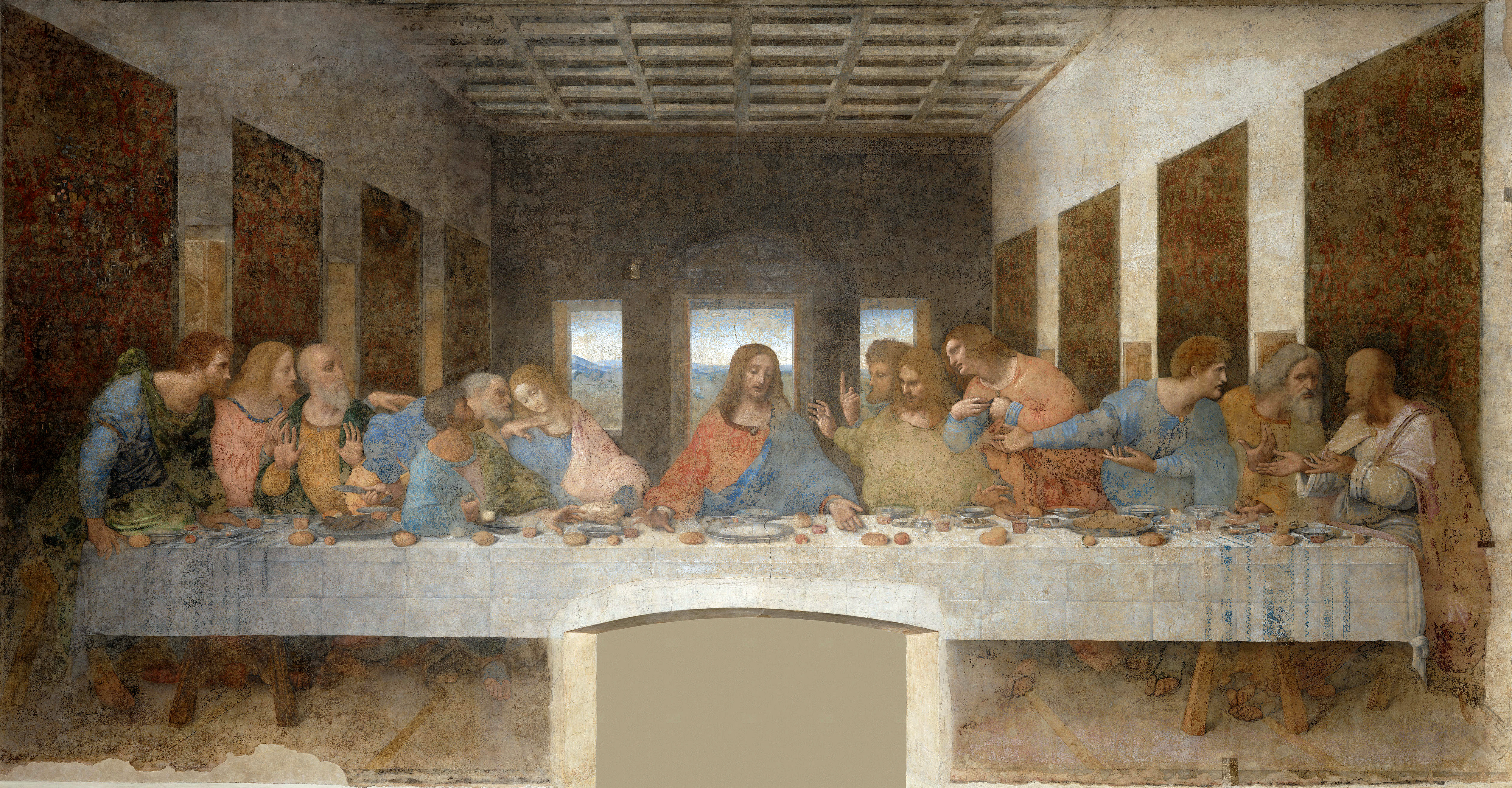
Regarding the Lord’s Supper, the Baptist Faith & Message 2000 says:
The Lord's Supper is a symbolic act of obedience whereby members of the church, through partaking of the bread & the fruit of the vine, memorialize the death of the Redeemer & anticipate His 2nd coming.*
There are two main aspects of the confession highlighted. The first regards the memorial aspect of the Lord’s Supper. Throughout Scripture, God’s people are commanded to remember. The Jewish Passover was given as a means to remember the Exodus. Jews repeatedly laid out 12 stones to remember great works of God. And in the New Testament we are given the Lord’s Supper to be constantly reminded of what Christ accomplished on the cross.
Like the Passover lamb whose shed blood redeemed the Israelites, so too the shed blood of the Lamb of God, Jesus Christ, redeems those who believe. Communion forces us to recall not just what Christ did but why He did it. He is the Divine Passover Lamb who took away the sins of the world – our sins. His body was broken (the bread) & His blood was shed (the fruit of the vine) on our behalf. Without His death (& resurrection) we would not be redeemed. We would not have hope. We would not be restored. We would not be reconciled. We would not be saved. The cross is central to everything Christians believe & affirm. The Lord’s Supper forces us to turn back to the cross & look at the One in whom stands in our place.
The second aspect mentioned by the confession regards anticipation. The Apostle Paul commands believers to continue to remember Jesus’ death & resurrection through this ordinance until Christ’s certain return. At that point, we will not need to remember for we will stand before the Trinity for eternity.
Believe it or not, this issue was the mostly hotly debated among the Reformers in the 16th Century. They all agreed on the gospel, on Christ, on Scripture, & the salvific doctrines of the faith, but when it came to the Lord’s Supper, they were deeply divided. One of the issues that remain with us today (& still divides denominations) is the substance of the bread & juice/wine. Catholicism teaches that upon the blessing of the priest, they become the literal body & blood of Jesus (transubstantiation). Lutherans modify this some (consubstantiation). Baptists & others hold that the bread & the juice are just that: bread & juice. There is no miraculous blessing or special presence within the bread/juice. They are just bread & juice. Baptist have understood that the debate need not be over such things. What they are is not as important as the purpose the serve & the symbol they represent. In all of this we have forgotten the cross.
At the end of the day, however, let us see in the Lord’s Supper, not a religious ritual we just do, but an opportunity to reflect, to remember, & to rejoice in what Christ has done. The Lord’s Supper will not save you & it will not keep you in the Father’s arms. Christ accomplished that at the cross. Let us never forget that. So as we participate in the Lord’s Supper moving forward, let us not complain that the service may go long or that the crackers taste bad. Instead, let us rejoice that though we were lost, we were found. Though we were blind, we now see. Let us then share with one another, as a redeemed community, at the Lord’s table & rejoice in His work on the cross by which we have been saved.
* The BF&M 2000 cite the following verses: Matt 26:26-30; Mk 14:22-26; Lk 22:19-20; Jn Acts 2:41-42; 20:7; 1 Cor 10:16,21; 11:23-29.
** The above picture is one of the most famous in history painted by Leonardo Da Vinci. And for all of you Da Vinci Code
 fans, no I don't think that is Mary Magdalene in there.
 This is Who We Are: What a Baptist Is and Believes - Introduction
This is Who We Are: What a Baptist Is and Believes - Scripture
This is Who We Are: What a Baptist Is and Believes - God
This is Who We Are What a Baptist Is and Believes - God the Father
This is Who We Are: What a Baptist Is and Believes - God the Son
This is Who We Are: What a Baptist Is and Believes - God the Spirit
This is Who We Are: What a Baptist Is and Believes - Man
This is Who We Are: What a Baptist Is and Believes - Salvation
This is Who We Are: What a Baptist Is and Believes - God's Purpose of Grace
This is Who We Are: What a Baptist Is and Believes - Church
This is Who We Are: What a Baptist Is and Believes - Baptism
Saturday, February 26, 2011
This is Who We Are: What a Baptist Is and Believes - Baptism

Christian baptism is the immersion of a believer in water in the name of the Father, the Son, and the Holy Spirit. It is an act of obedience symbolizing the believer’s faith in a crucified, buried, and risen Saviour, the believer’s death to sin, the burial of the old life, and the resurrection to walk in newness of life in Christ Jesus. It is a testimony to his faith in the final resurrection of the dead. Being a church ordinance, it is prerequisite to the privileges of church membership and to the Lord's Supper.*
The confession makes clear several points. First, baptism is by immersion. For centuries, Christians sprinkled baptismal candidates, but Baptist have avoided this primarily on the grounds of the meaning of the word. “To baptize” in Greek means “to immerse” or even “to drown.” The act of sprinkling primarily came as a result of the practice of infant baptism.
Secondly, Baptist affirm believers baptism. This is among the Baptist distinctives. We only baptize those who have made a public profession of faith by which the local church recognizes God’s work in salvation and follow up with the public ordinance of baptism. Many traditions within both Catholicism and many Protestants traditions baptize children. Baptist have always rejected this position on biblical grounds. No infant in Scripture was ever baptized nor is there any trace of the practice of infant baptism in the early Church.
Thirdly, baptism is a symbol illustrating the work of Christ in the believer. Contrary to some traditions, baptism only gets a person wet and nothing else. Some Christians have held throughout the centuries that baptism contributes to our salvation. Baptist reject this on the ground that salvation is by grace through faith alone apart from any works on our behalf. If one must be baptized to be saved, then salvation is not by faith alone.
But what does it symbolize? As the confession reveals, baptism is about the death, burial, and resurrection of both the Redeemer and the redeemed. It is through the substitutionary work of Christ on the cross (whereby He absorbed the full wrath of God in our place) and the resurrection (whereby we are given His righteousness) that we are saved. Thus baptism reminds every witness of the work of Redeemer who has saved us by dying in our place and being raised from the dead.
Likewise, baptism is a picture of the redeemed. We have been crucified with Christ. We have put to death our old selves only to be raised as new creatures in Christ. Salvation, then, is more than a ticket to heaven when we die, but regenerates us into new persons. We are not what we once were. We are washed. We are renewed. We are restored. We are made righteous.
It is for these reasons, among others, that baptism is central to the Christian faith. It is not merely a ritual, but a testimonial symbol reminding us of the gospel. It is through baptism that Baptist welcome new believers as members into the local church. It is a testimony of the work of Christ in the lives of sinful men. It is the gospel put on displayed.
It is important for Christians to see in baptism more than merely a religious rite. Baptism ought to be a moment of celebration and a reminder. The work that Christ began at the moment of our conversion remains with us today. When people look at our lives, do they see the fruit of what baptism illustrates, or must we point to a certificate hanging on our wall. If all we have is a certificate, then we do not have Christ.
In his letter to the Romans, Paul raises the question of can believers continue in sin after embracing the gospel? His answer is no. He grounds this conviction on two points. First, we were once slaves of sin, but are now slaves of Christ thus we must obey our new Master. Secondly, Paul points to baptism. To remain in our sin is to remain dead. But we who have been saved are not dead just as Christ is not dead. We have been raised. We have been changed. Let us therefore worship our risen Lord living in light of His righteousness imputed onto us as a testimony of what He accomplished at the cross and resurrection. Baptism is all about the gospel.
* The following Scriptural reference are given: Matt 3:13-17; 28:19-20; Mk 1:9-11; Lk 3:21-22; Jn 3:23; Acts 2:41-42; 8:35-39; 16:30-33; Rom 6:3-5; Col 2:12.
Just for Fun:
This is Who We Are: What a Baptist Is and Believes - Introduction
This is Who We Are: What a Baptist Is and Believes - Scripture
This is Who We Are: What a Baptist Is and Believes - God
This is Who We Are What a Baptist Is and Believes - God the Father
This is Who We Are: What a Baptist Is and Believes - God the Son
This is Who We Are: What a Baptist Is and Believes - God the Spirit
This is Who We Are: What a Baptist Is and Believes - Man
This is Who We Are: What a Baptist Is and Believes - Salvation
This is Who We Are: What a Baptist Is and Believes - God's Purpose of Grace
This is Who We Are: What a Baptist Is and Believes - Church
For more:
Hardinsburg Controversy: Some Links
Theology - Online Baptism: The First, But Certainly Not the Last
Theology - Cannonball!!!
Friday, February 4, 2011
This is Who We Are: What a Baptist Is and Believes - The Church

A New Testament church of the Lord Jesus Christ is an autonomous local congregation of baptized believers, associated by covenant in the faith & fellowship of the gospel; observing the two ordinances of Christ, governed by His laws, exercising the gifts, rights, & privileges invested in them by His Word, & seeking to extend the gospel to the ends of the earth. Each congregation operates under the Lordship of Christ through democratic processes. In such a congregation each member is responsible & accountable to Christ as Lord. Its scriptural officers are pastors & deacons. While both men & women are gifted for service in the church, the office of pastor is limited to men as qualified by Scripture.
Here the confession says several things. First, the local church is autonomous & made up of regenerated, baptized believers. This is one of our distinctives as Baptists. Each church is responsible for its own business. The various conventions & associations connected to the church have no authority over the church. The Southern Baptist Convention does not & cannot hire or fire staff or build a new gym. That is the business of the local church. This is unique among denominations. Unlike Roman Catholic, Methodist, or Presbyterian who have a hierarchal system, Baptist do not.
But who makes up the local church? Regenerated, baptized believers dedicated to & shaped by the gospel. This is the basis of church membership & why Baptists take church membership so seriously. We do not baptize babies, we baptize believers (this separated us from other denominations like Catholicism, Presbyterianism, & Methodism). The New Testament speaks of only baptized believers who have made a confession of faith, have repented of their sins, & are redeemed by Christ. These believers, as the confession says, joins the local church, participates in its fellowships, grows & disciples in the faith, becomes ambassadors for Christ, & observes two ordinances of Christ: baptism & the Lord’s Supper (Catholics add to this list what they call Sacraments including such things as marriage, confirmation, & extreme unction among others).
The second point of the confession regards the Universal Church (which prior to the Great Reformation was referred to as the catholic church. The word “catholic” means, “universal”). The confession says:
The New Testament speaks also of the church as the Body of Christ which includes all of the redeemed of all the ages, believers from every tribe, & tongue, & people, & nation.
The church isn’t just limited to the local body of believers, but extends to the universal body of redeemed souls both living & dead. The language of body is important & taken directly from Scripture (see 1 Corinthians 12ff). The Church is the Body of Christ making Christ its Head. He is the Head & stands as its Lord & Sovereign leader. True redeemed believers submit fully to the Lordship & Headship of Christ.
But the concept of the universal church ought to make us rejoice. The gospel transcends all time, cultures, race, gender, nations, languages, age, & people. We rejoice with the same salvation in Glenn Dean as do those in the village of Dargol in Niger, Africa. The same Lord rules over all & offers the same grace to all. This means that one day, when united with our Maker, we will worship our Savior. The we here isn’t limited to middle-class white Americans, but will include every person from every nation & race.
This ought to lead us to rejoice in our great God of salvation & it ought to drive us towards evangelism. May we work to grow the body of Christ to see unity in the midst of diversity. Baptist have a rich heritage in supporting missions & celebrating the diversity of the body of Christ. Only the gospel can bring such diversity into a unity under the Headship of Christ.
The question, then, is how will we serve in the body of Christ? Will we act like the head & demand from Christ or will we be the body that we are, & serve at direction of our head so that our Savior might be glorified & the souls of men & women everywhere be redeemed.
This is Who We Are: What a Baptist Is and Believes - Introduction
This is Who We Are: What a Baptist Is and Believes - Scripture
This is Who We Are: What a Baptist Is and Believes - God
This is Who We Are What a Baptist Is and Believes - God the Father
This is Who We Are: What a Baptist Is and Believes - God the Son
This is Who We Are: What a Baptist Is and Believes - God the Spirit
This is Who We Are: What a Baptist Is and Believes - Man
This is Who We Are: What a Baptist Is and Believes - Salvation
This is Who We Are: What a Baptist Is and Believes - God's Purpose of Grace
Thursday, December 30, 2010
This is Who We Are: What a Baptist Is and Believes - God's Purpose of Grace

At this point, the Baptist Faith & Message 2000 has discussed God, man, salvation, & so much more. Now we turn to God’s work in salvation & our security. Many today continue to debate & despair over the question of assurance. What assurance do we have that right now that we are still reconciled with God, called into His kingdom, & adopted as His child? Am I still saved? Have I squandered my salvation? What assurance do I have?
The despair over the uncertainty of one’s salvation can be devastating. And it is at this point that one of the Baptist distinctives come to our aid: the perseverance of the saints. The BF&M 2000 reads:
Election is the gracious purpose of God, according to which He regenerates, justifies, sanctifies, and glorifies sinners. It is consistent with the free agency of man, and comprehends all the means in connection with the end. It is the glorious display of God's sovereign goodness, and is infinitely wise, holy, and unchangeable. It excludes boasting and promotes humility.
All true believers endure to the end. Those whom God has accepted in Christ, and sanctified by His Spirit, will never fall away from the state of grace, but shall persevere to the end. Believers may fall into sin through neglect and temptation, whereby they grieve the Spirit, impair their graces and comforts, and bring reproach on the cause of Christ and temporal judgments on themselves; yet they shall be kept by the power of God through faith unto salvation. [1]
So what assurance do true believers have that we are still in the loving arms of the Father? One word: God. That is the argument put forward above. Salvation is not the work of man, but of God. God is the One who put on flesh. God, in the Person of the Son, bore our sins as our atoning substitute. God satisfied His own wrath, redeemed a people, & saves souls for His own glory. Man plays no role in any of it. All our “righteousness” is like filthy rags. Even the most noble of works is tainted with sin.
This means that our security is determined by God. And being that God makes no mistakes (He is perfect & cannot lie), never changes (He is Immutable), & His wrath is fully & completely satisfied for the repentant due to the saving work of Christ on the cross, believers – true believers – cannot & will not lose their salvation. This is the point in the first paragraph. It is God – & God alone – who regenerates, justifies, sanctifies, and glorifies sinners. Sinners cannot accomplish such glory. Only God can.
However, this does not mean that salvation is a get-out-of-hell-free-card. It is more than fire insurance. It involves more than saying a prayer, walking an aisle, and getting baptized. No. Salvation is much bigger than that.
Salvation regenerates us changing us from the inside out. Though none of us are what we ought to be yet, praise God, we are not what we once were. The reason is because God is working in our lives. That which God begins, God will accomplish. Making us more like Him is one of God’s greatest works.
This is what is meant in the second paragraph: All true believers endure to the end. Those whom God has accepted in Christ, and sanctified by His Spirit, will never fall away from the state of grace, but shall persevere to the end. This is the wonderful doctrine of the Perseverance of the Saints.” Words like “eternal security” or “once saved always saved,” though true, are misleading. It implies that persons can “accept Jesus” superficially and then live however they want to. Perseverance of the Saints implies that true believers – saints – will live godly lives that reflects their Savior and will persevere to the end in obedience to their saving Father. Everyday, for such believers, is another opportunity to be more like Christ.
Certainly Christians sin, but not with glee. Our goal is to be more like Christ, not less like Him. Believers will persevere to the end with this ultimate goal. Though we have not attained such glorification yet, we look forward to the day that we do.
This all comes down to where we began. Do we have assurance of our salvation? Every religion in the world offers an emphatic no. The reason is because they are built on what man does, instead of what God has done. If God is the author and finisher of our faith, then rest knowing that you are safe in the arms of God trusting in the saving work of the cross. But assurance works both ways. Trust in yourself and your self-righteousness and I can assure you that you are lost and will remain so. Salvation is of God, not of man and so long as you strive for grace you will never achieve it. Instead, come to the cross in full humility, and embrace the gospel. Repent for the Kingdom of Heaven is at hand!
[1] See Gen 12:1-3; Ex 19:5-8; 1 Sam 8:4-7,19-22; Isa 5:1-7; Jer 31:31ff.; Matt 16:18-19; 21:28-45; 24:22,31; 25:34; Luke 1:68-79; 2:29-32; 19:41-44; 24:44-48; John 1:12-14; 3:16; 5:24; 6:44-45,65; 10:27-29; 15:16; 17:6,12,17-18; Acts 20:32; Rom 5:9-10; 8:28-39; 10:12-15; 11:5-7,26-36; 1 Cor 1:1-2; 15:24-28; Eph 1:4-23; 2:1-10; 3:1-11; Col 1:12-14; 2 Th 2:13-14; 2 Tim 1:12; 2:10,19; Heb 11:39–12:2; Jam 1:12; 1 Pet 1:2-5,13; 2:4-10; 1 John 1:7-9; 2:19; 3:2.
This is Who We Are: What a Baptist Is and Believes - Introduction
This is Who We Are: What a Baptist Is and Believes - Scripture
This is Who We Are: What a Baptist Is and Believes - God
This is Who We Are What a Baptist Is and Believes - God the Father
This is Who We Are: What a Baptist Is and Believes - God the Son
This is Who We Are: What a Baptist Is and Believes - God the Spirit
This is Who We Are: What a Baptist Is and Believes - Man
This is Who We Are: What a Baptist Is and Believes - Salvation
Sunday, December 26, 2010
This is Who We Are: What a Baptist Is and Believes - Salvation

That’s essentially what the Baptist Faith & Message 2000 discusses next. How is a person “saved?” How does one get right with God? What is the gospel? The BF&M 2000 offer a rather theologically robust and technical answer to that question that at first glance appears rather difficult to understand. Words like regeneration, justification, sanctification, and glorification aren’t exactly words we use in everyday conversation, but they are important nonetheless. The BF&M 2000 says:
Salvation involves the redemption of the whole man, and is offered freely to all who accept Jesus Christ as Lord and Saviour, who by His own blood obtained eternal redemption for the believer. In its broadest sense salvation includes regeneration, justification, sanctification, and glorification. There is no salvation apart from personal faith in Jesus Christ as Lord.
A. Regeneration, or the new birth, is a work of God’s grace whereby believers become new creatures in Christ Jesus. It is a change of heart wrought by the Holy Spirit through conviction of sin, to which the sinner responds in repentance toward God and faith in the Lord Jesus Christ. Repentance and faith are inseparable experiences of grace.
Repentance is a genuine turning from sin toward God. Faith is the acceptance of Jesus Christ and commitment of the entire personality to Him as Lord and Saviour.
B. Justification is God’s gracious and full acquittal upon principles of His righteousness of all sinners who repent and believe in Christ. Justification brings the believer unto a relationship of peace and favor with God.
C. Sanctification is the experience, beginning in regeneration, by which the believer is set apart to God's purposes, and is enabled to progress toward moral and spiritual maturity through the presence and power of the Holy Spirit dwelling in him. Growth in grace should continue throughout the regenerate person's life.
D. Glorification is the culmination of salvation and is the final blessed and abiding state of the redeemed. [1]
This confession of faith is well written and defines the issue pretty well, the problem is that to the average Christian, much of what is laid out here is difficult to understand even though each issue raised here is imperative and very much part of the gospel. So what is the gospel? It begins with God’s holiness and our depravity. We cannot save ourselves because our God is infinitely holy and we finite beings are depraved to our core. Even the “good” things we do are tainted with sin, thus if we were to rely on our works alone, we would present God a filthy rag of righteousness (Isaiah 64:6). God is so holy that He cannot ignore our rebellion. What we need, then, is a substitute. What we need is grace.
The gospel offers such grace through the substituting work of Christ on the cross by which our sins are imputed (there’s a big word) onto Him and at the resurrection of Christ His righteousness is imputed (there it is again) onto us. In other words, “[God] made [Christ] who knew no sin to be sin on our behalf, so that we might become the righteousness of God in Him” (2 Corinthians 5:21). Christ took upon Himself our sin so that when God sees us, He sees the righteousness of Christ.
The cross and resurrection does not just give us a clean slate for us to dirty up again, but a new self, a new life. This is what we mean by regeneration. God, through Christ, makes us “new creatures” (vs. 17) whereby we become more like Christ. Therefore, the gospel says that we are both “saved” now (justification) and are in the process of being “saved” (sanctification) meaning that we are growing in Christ becoming more like our Savior. Unfortunately man approach the gospel as fire insurance whereby after saying a prayer or getting baptized we’re promised heaven after we die. That is only part of it. The gospel is a reformation of who we are at our core. We are no longer the old man, but a new man that seeks to be more like our Savior. This means that to be a Christian we both are redeemed at the cross and live by the cross. Look to the cross and resurrection in everyday life trusting that God will use us for His glory. We need to seek to reflect Him who bought us at the cross making us children of God, siblings of Christ. Look to the cross. Repent. Believe. And you will be saved.
That is the gospel. Do you believe in this gospel?
[1] See the following references: Gen 3:15; Ex 3:14-17; 6:2-8; Matt 1:21; 4:17; 16:21-26; 27:22-28:6; Luke 1:68-69; 2:28-32; John 1:11-14,29; 3:3-21,36; 5:24; 10:9,28-29; 15:1-16; 17:17; Acts 2:21; 4:12; 15:11; 16:30-31; 17:30-31; 20:32; Rom 1:16-18; 2:4; 3:23-25; 4:3ff.; 5:8-10; 6:1-23; 8:1-18,29-39; 10:9-10,13; 13:11-14; 1 Cor 1:18,30; 6:19-20; 15:10; 2 Cor 5:17-20; Gal 2:20; 3:13; 5:22-25; 6:15; Eph 1:7; 2:8-22; 4:11-16; Phil 2:12-13; Col 1:9-22; 3:1ff.; 1 Thess 5:23-24; 2 Tim 1:12; Titus 2:11-14; Heb 2:1-3; 5:8-9; 9:24-28; 11:1-12:8,14; James 2:14-26; 1 Pet 1:2-23; 1 John 1:6-2:11; Rev 3:20; 21:1-22:5.
For more:
This is Who We Are: What a Baptist Is and Believes - Introduction
This is Who We Are: What a Baptist Is and Believes - Scripture
This is Who We Are: What a Baptist Is and Believes - God
This is Who We Are What a Baptist Is and Believes - God the Father
This is Who We Are: What a Baptist Is and Believes - God the Son
This is Who We Are: What a Baptist Is and Believes - God the Spirit
This is Who We Are: What a Baptist Is and Believes - Man
Monday, November 22, 2010
This is Who We Are: What a Baptist Is and Believes - Man

Man is the special creation of God, made in His own image. He created them male and female as the crowning work of His creation. The gift of gender is thus part of the goodness of God’s creation. In the beginning man was innocent of sin and was endowed by his Creator with freedom of choice. By his free choice man sinned against God and brought sin into the human race. Through the temptation of Satan man transgressed the command of God, and fell from his original innocence whereby his posterity inherit a nature and an environment inclined toward sin. Therefore, as soon as they are capable of moral action, they become transgressors and are under condemnation. Only the grace of God can bring man into His holy fellowship and enable man to fulfill the creative purpose of God. The sacredness of human personality is evident in that God created man in His own image, and in that Christ died for man; therefore, every person of every race possesses full dignity and is worthy of respect and Christian love.
The confession of faith essentially says two things – one theologically the other culturally and morally – that force us to address them theologically and biblically. First is the creation of man itself.
The first sentence sums up the basic Christian understanding of anthropology: Man is the special creation of God, made in His own image. Understand the depth of that statement and everything else will make sense. Man stands as the climax of creation and most closely resembles God (though clearly not God is many and most respects). Whatever made in the His own image may mean (and theologians disagree), we can at least admit that human life is special, unique, and on a level unmatched by any other creature.
At the same time, and as the BF&M 2000 makes clear, though Man was created in the image of God, that special creation was divided into two genders: male and female. Both are made in God’s image. Both are equal and both are the crowning jewels of God’s creation. However, they are both different in many ways. It is tempting at this point to erase that last sentence. In a culture like ours, it is simply unpopular and even offensive to state that men and women are different. Anyone married for 15 minutes, however, can tell you what we all naturally know: men and women are different. But, just as both genders are equal in status and both are unique creations of God made in His image, God is most glorified whenever we maximize how He has created us. Only the Christian faith makes sense of this. In other words, God is glorified in both masculinity and femininity. God rejoices at the differences in the two equal genders for He created us as we are. So instead of turning men into wimps or castigating boys for being boys, let us celebrate each other knowing that though we are different, we are equal & God is glorified for that.
This all leads to why we have such debates in the first place. Sin has entered our universe and with sin came the Curse. Man and woman were perfect at one point until we sought to dethrone God. At that point, the world began to spin out of control. Death, decay, cancer, factions, selfishness, droughts, and divisions replaced what was once the perfect world we can only dream of today. Once we thought of ourselves instead of God, we became slaves to sin. And it continues to this day.
It is at this point that the BF&M 2000 picks up on the second aspect of Anthropology. The first was more theological, the second – driven out of that theology – more cultural and moral. Clearly the BF&M 2000 has in mind issues regarding life like abortion, euthanasia, embryonic stem cell research, murder, and other issues regarding life and the taking of life. As Christians we would also add rape, violence, injustice, and other social issues such as poverty and crime to the equation as well.
How the theology affects our morality should be obvious. If man is created in the image of God and thus has inherent dignity, then to take innocent life is morally repugnant. In Genesis 9 God clearly states that any forms of murder is evil because the life of an image bearer of God is being taken. Being the author and creator of human life, only God reserves the right and authority to determine our days from conception to death. The BF&M 2000 goes into some detail surveying this issue. Human life, at its conception, has a level of dignity unmatched by any other creatures and thus ought to have the full rights that any other born human being in a society. Life is precious because it originates with God. To take the life of an innocent human being, made in the image of God, is an attack on God Himself.
As a result, the many moral and ethical issues along with the many cultural debates we have in this country aren’t trivial issues, but are theological issues. They are gospel issues. Let us not forget that the One who created us didn’t stop at the Curse in Genesis 3, but proceeded to Calvary where He bled and died in our behalf. If life had no value, then please explain calvary. Anthropology, then, is a gospel issue and we must, as always, return to the gospel in all that we say, do, believe, and vote.
For more:
This is Who We Are: What a Baptist Is and Believes - Introduction
This is Who We Are: What a Baptist Is and Believes - Scripture
This is Who We Are: What a Baptist Is and Believes - God
This is Who We Are What a Baptist Is and Believes - God the Father
This is Who We Are: What a Baptist Is and Believes - God the Son
This is Who We Are: What a Baptist Is and Believes - God the Spirit
Wednesday, September 29, 2010
This is Who We Are: What a Baptist Is and Believes - God the Spirit

Let us then offer a brief, yet biblical understanding of the third member of the Divine Trinity. The Baptist Faith & Message 2000 says:
The Holy Spirit is the Spirit of God, fully divine. He inspired holy men of old to write the Scriptures. Through illumination He enables men to understand truth. He exalts Christ. He convicts men of sin, of righteousness, and of judgment. He calls men to the Saviour, and effects regeneration. At the moment of regeneration He baptizes every believer into the Body of Christ. He cultivates Christian character, comforts believers, and bestows the spiritual gifts by which they serve God through His church. He seals the believer unto the day of final redemption. His presence in the Christian is the guarantee that God will bring the believer into the fullness of the stature of Christ. He enlightens and empowers the believer and the church in worship, evangelism, and service. [1]
The BF&M 2000 is right to begin by pointing out the full deity of the Spirit. Just as God the Father and God the Son are fully Divine, separate yet unified, so too the Holy Spirit is equal with the Father and Son yet separate from the Father and the Son. Those who deny this doctrine are walking on dangerous heresy.
Perhaps what the Spirit is most known for is His work in inspiring Scripture. The Spirit, via the will of God, has granted us a text that points us to Christ which utilizes the personalities of various writers throughout a vast time of human history (from the days of Moses to the Apostle John) to reveal the will and words of God. But that is not all that the Spirit has done or continues to do.
Perhaps most central to the Spirit’s work is His work in salvation. Only the Spirit can soften the hard hearts of men leading them to the cross and repentance. Only the Spirit can regenerate the believer to be more like Christ. And only the Spirit is present within the believer offering guidance and assurance. The Son saves, the Spirit sanctifies. In the realm of salvation, perhaps we can sum up the work of the Trinity as follows: The Father initiates. The Son propitiates. The Spirit regenerates.
The Holy Spirit is central to all that we are. Each member of the Trinity was involved in Creation (including our creation) and each member of the Trinity has worked to bring about our salvation. But it is the Spirit, under the authority of the Father and the work of Christ, that guides us towards holiness. Therefore, we are commanded to be filled with the Spirit (Ephesians 5:18), to walk in the Spirit (Galatians 5:16), to produce the fruits of the Spirit (Galatians 5:16), pray in the Spirit (Jude 20), be poor in the Spirit (Matthew 5:3), be in the Spirit (Romans 8:9), serve in the Spirit (Romans 12:11), be joyful in the Spirit (Romans 14:17), love by the Spirit (Romans 15:30), and be unified in the Spirit.
In all of this the Spirit is pointing us to Christ, the author and finisher of our faith. In an act of humility and submission, the Spirit submits to the will of the Father pointing us to the Son. The Spirit seeks the glory of the Father through the praise of His creation. The Spirit is always pointing us to Christ and the Father. Let us, then, look to Christ, guided by the Spirit, being conformed to the image of Christ in our daily lives. The Spirit is not someone that leads us into utter nonsense so commonly portrayed on TV, but is a working Person of the Trinity actively involved in our lives pointing us to our Savior. God is Spirit (John 4:24) and let us worship Him, as Jesus said, in spirit and in truth (John 4:24).
[1] The BF&M 2000 offers the following references: Gen 1:2; Judges 14:6; Job 26:13; Ps 51:11; 139:7ff.; Is 61:1-3; Joel 2:28-32; Matt 1:18; 3:16; 4:1; 12:28-32; 28:19; Mark 1:10,12; Luke 1:35; 4:1,18-19; 11:13; 12:12; 24:49; John 4:24; 14:16-17,26; 15:26; 16:7-14; Acts 1:8; 2:1-4,38; 4:31; 5:3; 6:3; 7:55; 8:17,39; 10:44; 13:2; 15:28; 16:6; 19:1-6; Rom 8:9-11,14-16,26-27; 1 Cor 2:10-14; 3:16; 12:3-11,13; Gal 4:6; Eph 1:13-14; 4:30; 5:18; 1 Thess 5:19; 1 Tim 3:16; 4:1; 2 Tim 1:14; 3:16; Heb 9:8,14; 2 Peter 1:21; 1 John 4:13; 5:6-7; Rev 1:10; 22:17.
For more:
This is Who We Are: What a Baptist Is and Believes - Introduction
This is Who We Are: What a Baptist Is and Believes - Scripture
This is Who We Are: What a Baptist Is and Believes - God
This is Who We Are What a Baptist Is and Believes - God the Father
This is Who We Are: What a Baptist Is and Believes - God the Son
* Regarding the above picture. The Holy Spirit is often portrayed in the image of a dove. This is common even in Scripture. When Jesus was baptized, the Spirit descended like a dove (see Matthew 4).
Monday, August 30, 2010
This is Who We Are: What a Baptist Is and Believes - God the Son

Christ is the eternal Son of God. In His incarnation as Jesus Christ He was conceived of the Holy Spirit and born of the virgin Mary. Jesus perfectly revealed and did the will of God, taking upon Himself human nature with its demands and necessities and identifying Himself completely with mankind yet without sin. He honored the divine law by His personal obedience, and in His substitutionary death on the cross He made provision for the redemption of men from sin. He was raised from the dead with a glorified body and appeared to His disciples as the person who was with them before His crucifixion. He ascended into heaven and is now exalted at the right hand of God where He is the One Mediator, fully God, fully man, in whose Person is effected the reconciliation between God and man. He will return in power and glory to judge the world and to consummate His redemptive mission. He now dwells in all believers as the living and ever present Lord.
Genesis 18:1ff.; Psalms 2:7ff.; 110:1ff.; Isaiah 7:14; 53; Matthew 1:18-23; 3:17; 8:29; 11:27; 14:33; 16:16,27; 17:5; 27; 28:1-6,19; Mark 1:1; 3:11; Luke 1:35; 4:41; 22:70; 24:46; John 1:1-18,29; 10:30,38; 11:25-27; 12:44-50; 14:7-11; 16:15-16,28; 17:1-5, 21-22; 20:1-20,28; Acts 1:9; 2:22-24; 7:55-56; 9:4-5,20; Romans 1:3-4; 3:23-26; 5:6-21; 8:1-3,34; 10:4; 1 Corinthians 1:30; 2:2; 8:6; 15:1-8,24-28; 2 Corinthians 5:19-21; 8:9; Galatians 4:4-5; Ephesians 1:20; 3:11; 4:7-10; Philippians 2:5-11; Colossians 1:13-22; 2:9; 1 Thessalonians 4:14-18; 1 Timothy 2:5-6; 3:16; Titus 2:13-14; Hebrews 1:1-3; 4:14-15; 7:14-28; 9:12-15,24-28; 12:2; 13:8; 1 Peter 2:21-25; 3:22; 1 John 1:7-9; 3:2; 4:14-15; 5:9; 2 John 7-9; Revelation 1:13-16; 5:9-14; 12:10-11; 13:8; 19:16.
The Confession of Faith describes the nature of Christ as eternal, incarnational, virgin born, fully human yet sinless, obedient to His Father, and fully divine. It goes on to describe the work of Christ as substitutionary, redemptive, resurrected, ascended, active, and will one day return. Take any of these doctrines and an entire book can (and has) been written on it.
The nature of Christ is complex but fundamental to our understanding of the Savior. Jesus is fully God unified and yet at the same time distinct from the Father (welcome to the mystery of the Trinity). He has always existed and has always be one with the Father and yet not the Father. Furthermore, Jesus is fully human who left His throne in glory (see Philippians 2) to take on human flesh through the miraculous conception of virginity. Mary’s virginity prevented Christ from inheriting Adam’s sin and yet at the same time allowed Him, the God-man, to take on human flesh. It is imperative that we embrace both His humanity and His divinity.
Regarding His work, Christ stands as our mediator and Savior. He died a substitutionary death whereby our sins were placed upon Him suffering the penalty of our sins. And Christ was also resurrected in righteousness whereby His righteousness is imputated (to use a heavy theological word) onto us. This means that God not only declares us as righteous, but at the same times makes us righteous.
Are you lost? Are you confused? How far are you on that elephant? The doctrine of Christ is heavy and yet profound. Who He is and what He has done has perplexed and brought salvation to billions throughout the years. Because He is human, we know how to live and suffer. We are not alone. Our Savior has suffered and lived like us. Because He is God, we have confidence in His promises. Because He died a substitutionary death, we know that our sins have been nailed and forgiven at the cross. Because He has been resurrected, we know that we are being made righteous and will be raised with Him in glory (1 Corinthians 15). It is because of Him we have direct access to the Father, able suffer with hope and perseverance, live with understanding and are guided by His example. We give as He gave. We forgive as He has forgiven. We love as He still loves. We sacrifice as he sacrificed. We serve as he served. We suffer as He suffered. We pray as He prayed. We submit to the Father as He did.
The doctrine of Christ matters and it matters greatly. Get this wrong and you will get everything else wrong. Focus on Christ and never take your eyes off of Him. His nature and work are the reasons we live, breath, and stand justified before the Father.
For more:
This is Who We Are: What a Baptist Is and Believes - Introduction
This is Who We Are: What a Baptist Is and Believes - Scripture
This is Who We Are: What a Baptist Is and Believes - God
This is Who We Are What a Baptist Is and Believes - God the Father
Subscribe to:
Posts (Atom)


 Posts
Posts

