
Being that tomorrow is Reformation Day marking the anniversary of when German monk Martin Luther nailed his infamous 95 Theses on the Wittenburg Castle Church door, we will be watching the 2003 movie Luther at the parsonage. I hope you will make it. If not, below is the movie.
Showing posts with label Reformation. Show all posts
Showing posts with label Reformation. Show all posts
Wednesday, October 30, 2013

Monday, June 6, 2011
"Without the Gospel": A Gem From John Calvin
This is just too good not to share. It comes from the pen of one of the greatest theologians (like him or not) in Church history John Calvin. It comes from the preface to the French translation of the New Testament by Pierre Robert Olivetan (1534).
Without the gospel everything is useless and vain; without the gospel we are not Christians; without the gospel all riches is poverty, all wisdom folly before God; strength is weakness, and all the justice of man is under the condemnation of God. But by the knowledge of the gospel we are made children of God, brothers of Jesus Christ, fellow townsmen with the saints, citizens of the Kingdom of Heaven, heirs of God with Jesus Christ, by whom the poor are made rich, the weak strong, the fools wise, the sinner justified, the desolate comforted, the doubting sure, and slaves free. It is the power of God for the salvation of all those who believe.
It follows that every good thing we could think or desire is to be found in this same Jesus Christ alone. For, he was sold, to buy us back; captive, to deliver us; condemned, to absolve us; he was made a curse for our blessing, sin offering for our righteousness; marred that we may be made fair; he died for our life; so that by him fury is made gentle, wrath appeased, darkness turned into light, fear reassured, despisal despised, debt canceled, labor lightened, sadness made merry, misfortune made fortunate, difficulty easy, disorder ordered, division united, ignominy ennobled, rebellion subjected, intimidation intimidated, ambush uncovered, assaults assailed, force forced back, combat combated, war warred against, vengeance avenged, torment tormented, damnation damned, the abyss sunk into the abyss, hell transfixed, death dead, mortality made immortal. In short, mercy has swallowed up all misery, and goodness all misfortune.
For all these things which were to be the weapons of the devil in his battle against us, and the sting of death to pierce us, are turned for us into exercises which we can turn to our profit. If we are able to boast with the apostle, saying, O hell, where is thy victory? O death, where is thy sting? it is because by the Spirit of Christ promised to the elect, we live no longer, but Christ lives in us; and we are by the same Spirit seated among those who are in heaven, so that for us the world is no more, even while our conversation [life] is in it; but we are content in all things, whether country, place, condition, clothing, meat, and all such things. And we are comforted in tribulation, joyful in sorrow, glorying under vituperation [verbal abuse], abounding in poverty, warmed in our nakedness, patient amongst evils, living in death.
This is what we should in short seek in the whole of Scripture: truly to know Jesus Christ, and the infinite riches that are comprised in him and are offered to us by him from God the Father.
HT: Tim Challies and
Without the gospel everything is useless and vain; without the gospel we are not Christians; without the gospel all riches is poverty, all wisdom folly before God; strength is weakness, and all the justice of man is under the condemnation of God. But by the knowledge of the gospel we are made children of God, brothers of Jesus Christ, fellow townsmen with the saints, citizens of the Kingdom of Heaven, heirs of God with Jesus Christ, by whom the poor are made rich, the weak strong, the fools wise, the sinner justified, the desolate comforted, the doubting sure, and slaves free. It is the power of God for the salvation of all those who believe.
It follows that every good thing we could think or desire is to be found in this same Jesus Christ alone. For, he was sold, to buy us back; captive, to deliver us; condemned, to absolve us; he was made a curse for our blessing, sin offering for our righteousness; marred that we may be made fair; he died for our life; so that by him fury is made gentle, wrath appeased, darkness turned into light, fear reassured, despisal despised, debt canceled, labor lightened, sadness made merry, misfortune made fortunate, difficulty easy, disorder ordered, division united, ignominy ennobled, rebellion subjected, intimidation intimidated, ambush uncovered, assaults assailed, force forced back, combat combated, war warred against, vengeance avenged, torment tormented, damnation damned, the abyss sunk into the abyss, hell transfixed, death dead, mortality made immortal. In short, mercy has swallowed up all misery, and goodness all misfortune.
For all these things which were to be the weapons of the devil in his battle against us, and the sting of death to pierce us, are turned for us into exercises which we can turn to our profit. If we are able to boast with the apostle, saying, O hell, where is thy victory? O death, where is thy sting? it is because by the Spirit of Christ promised to the elect, we live no longer, but Christ lives in us; and we are by the same Spirit seated among those who are in heaven, so that for us the world is no more, even while our conversation [life] is in it; but we are content in all things, whether country, place, condition, clothing, meat, and all such things. And we are comforted in tribulation, joyful in sorrow, glorying under vituperation [verbal abuse], abounding in poverty, warmed in our nakedness, patient amongst evils, living in death.
This is what we should in short seek in the whole of Scripture: truly to know Jesus Christ, and the infinite riches that are comprised in him and are offered to us by him from God the Father.
HT: Tim Challies and
Thursday, March 24, 2011
This is Who We Are: What a Baptist Is and Believes - The Lord's Supper
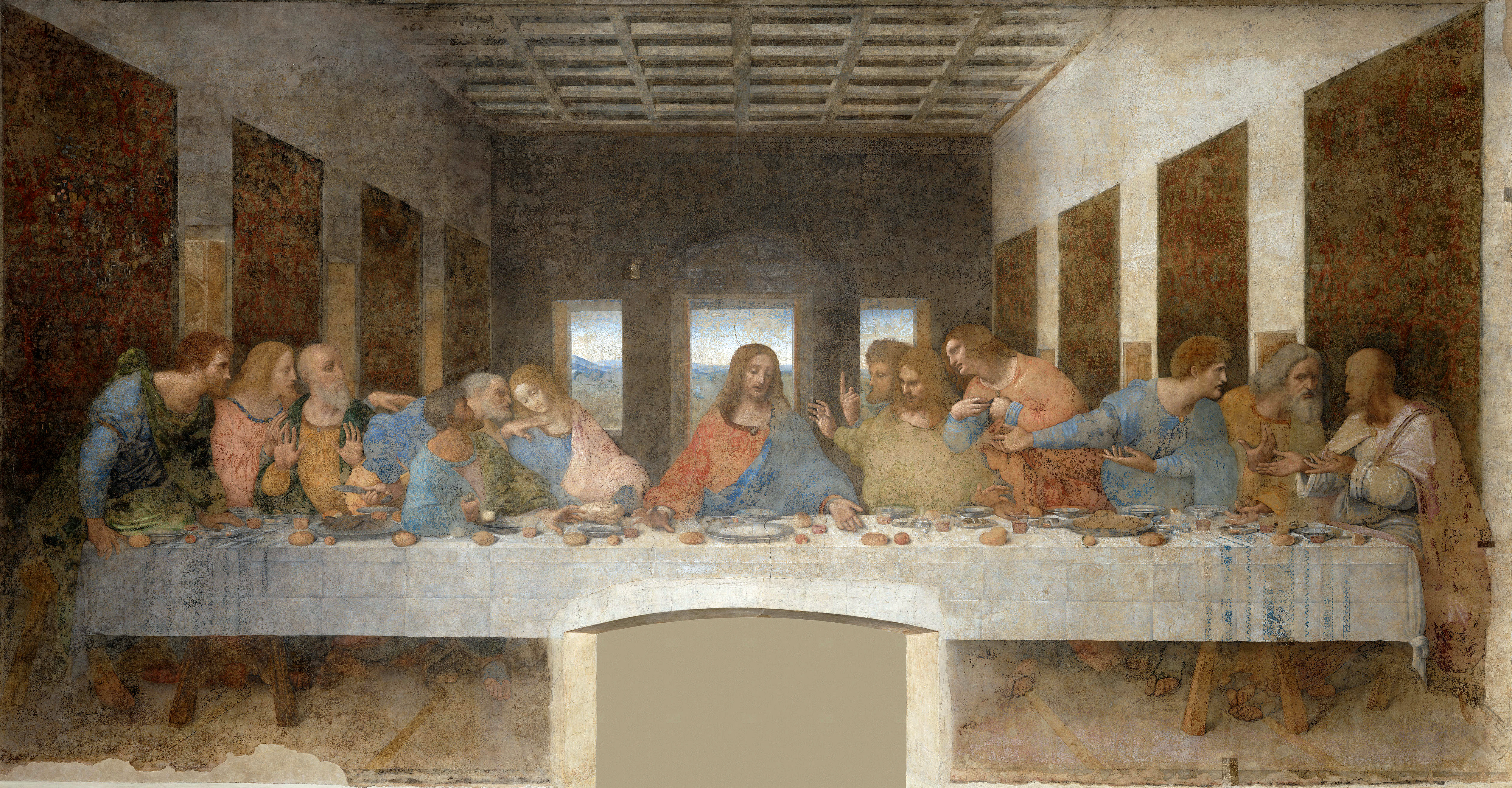
Regarding the Lord’s Supper, the Baptist Faith & Message 2000 says:
The Lord's Supper is a symbolic act of obedience whereby members of the church, through partaking of the bread & the fruit of the vine, memorialize the death of the Redeemer & anticipate His 2nd coming.*
There are two main aspects of the confession highlighted. The first regards the memorial aspect of the Lord’s Supper. Throughout Scripture, God’s people are commanded to remember. The Jewish Passover was given as a means to remember the Exodus. Jews repeatedly laid out 12 stones to remember great works of God. And in the New Testament we are given the Lord’s Supper to be constantly reminded of what Christ accomplished on the cross.
Like the Passover lamb whose shed blood redeemed the Israelites, so too the shed blood of the Lamb of God, Jesus Christ, redeems those who believe. Communion forces us to recall not just what Christ did but why He did it. He is the Divine Passover Lamb who took away the sins of the world – our sins. His body was broken (the bread) & His blood was shed (the fruit of the vine) on our behalf. Without His death (& resurrection) we would not be redeemed. We would not have hope. We would not be restored. We would not be reconciled. We would not be saved. The cross is central to everything Christians believe & affirm. The Lord’s Supper forces us to turn back to the cross & look at the One in whom stands in our place.
The second aspect mentioned by the confession regards anticipation. The Apostle Paul commands believers to continue to remember Jesus’ death & resurrection through this ordinance until Christ’s certain return. At that point, we will not need to remember for we will stand before the Trinity for eternity.
Believe it or not, this issue was the mostly hotly debated among the Reformers in the 16th Century. They all agreed on the gospel, on Christ, on Scripture, & the salvific doctrines of the faith, but when it came to the Lord’s Supper, they were deeply divided. One of the issues that remain with us today (& still divides denominations) is the substance of the bread & juice/wine. Catholicism teaches that upon the blessing of the priest, they become the literal body & blood of Jesus (transubstantiation). Lutherans modify this some (consubstantiation). Baptists & others hold that the bread & the juice are just that: bread & juice. There is no miraculous blessing or special presence within the bread/juice. They are just bread & juice. Baptist have understood that the debate need not be over such things. What they are is not as important as the purpose the serve & the symbol they represent. In all of this we have forgotten the cross.
At the end of the day, however, let us see in the Lord’s Supper, not a religious ritual we just do, but an opportunity to reflect, to remember, & to rejoice in what Christ has done. The Lord’s Supper will not save you & it will not keep you in the Father’s arms. Christ accomplished that at the cross. Let us never forget that. So as we participate in the Lord’s Supper moving forward, let us not complain that the service may go long or that the crackers taste bad. Instead, let us rejoice that though we were lost, we were found. Though we were blind, we now see. Let us then share with one another, as a redeemed community, at the Lord’s table & rejoice in His work on the cross by which we have been saved.
* The BF&M 2000 cite the following verses: Matt 26:26-30; Mk 14:22-26; Lk 22:19-20; Jn Acts 2:41-42; 20:7; 1 Cor 10:16,21; 11:23-29.
** The above picture is one of the most famous in history painted by Leonardo Da Vinci. And for all of you Da Vinci Code
 fans, no I don't think that is Mary Magdalene in there.
 This is Who We Are: What a Baptist Is and Believes - Introduction
This is Who We Are: What a Baptist Is and Believes - Scripture
This is Who We Are: What a Baptist Is and Believes - God
This is Who We Are What a Baptist Is and Believes - God the Father
This is Who We Are: What a Baptist Is and Believes - God the Son
This is Who We Are: What a Baptist Is and Believes - God the Spirit
This is Who We Are: What a Baptist Is and Believes - Man
This is Who We Are: What a Baptist Is and Believes - Salvation
This is Who We Are: What a Baptist Is and Believes - God's Purpose of Grace
This is Who We Are: What a Baptist Is and Believes - Church
This is Who We Are: What a Baptist Is and Believes - Baptism
Tuesday, October 19, 2010
Luther, Depression, and the Sovereignty of God
I came across the following story from the entertaining marriage of the great Reformer Martin Luther and his wife Katie Von Bora. Enjoy:
Katie Luther was the sort of person who could take a joke—and Martin was certainly the type who enjoyed dishing it out. In his letters he often teased her about matters such as her frugality, negligence, and worries. Katie also had a sense of humor, along with a way of correcting her husband in just the way that he needed.
Once, when Luther was so depressed that no words of counsel seemed capable of penetrating his darkness, Katie decided to don a black dress. Luther asked: “Are you going to a funeral?” “No,” she replied, “but since you act as though God is dead, I wanted to join you in the mourning.” Luther quickly recovered!
The moral of the story should be obvious. It is fascinating that such great men of faith like Luther, along with men like the Prince of Preachers, Charles Spurgeon, struggled deeply with depression. Katie's reaction is perfect reminding Luther that if God is dead, then we ought to be in a state of morning, but if God is the God Luther had been proclaiming his whole ministry, then depression ought not be.
This is what we have been discussing on Sunday mornings. When we find out who God really is, then we can have the certainty that we have meaning, purpose, hope, trust, and assurance. If God is Sovereign and Providential then why worry. Why be anxious. Why be depressed. Lean on God.
God is not dead!
The Resurgence - The Luthers' Marriage
For more:
Luther and the Necessity of Theology
Katie Luther was the sort of person who could take a joke—and Martin was certainly the type who enjoyed dishing it out. In his letters he often teased her about matters such as her frugality, negligence, and worries. Katie also had a sense of humor, along with a way of correcting her husband in just the way that he needed.
Once, when Luther was so depressed that no words of counsel seemed capable of penetrating his darkness, Katie decided to don a black dress. Luther asked: “Are you going to a funeral?” “No,” she replied, “but since you act as though God is dead, I wanted to join you in the mourning.” Luther quickly recovered!
The moral of the story should be obvious. It is fascinating that such great men of faith like Luther, along with men like the Prince of Preachers, Charles Spurgeon, struggled deeply with depression. Katie's reaction is perfect reminding Luther that if God is dead, then we ought to be in a state of morning, but if God is the God Luther had been proclaiming his whole ministry, then depression ought not be.
This is what we have been discussing on Sunday mornings. When we find out who God really is, then we can have the certainty that we have meaning, purpose, hope, trust, and assurance. If God is Sovereign and Providential then why worry. Why be anxious. Why be depressed. Lean on God.
God is not dead!
The Resurgence - The Luthers' Marriage
For more:
Luther and the Necessity of Theology
Wednesday, July 15, 2009
Weekly Recommendation: "Foxe's Book of Martyrs"
 When I was a teenager, something that both frightened and encouraged me while always leaving me fascinated was stories of various martyrs throughout history. One of the first books I picked up recounting the many accounts of martyrs throughout the history of the church is John Foxe's "Foxe's Book of Martyrs." I have read this book a number of times and to this day find myself fascinated, encouraged, and frightened. I am always reminded of the truth that compared to these great men and women who were willing to suffering greatly for the gospel, I am an utter and complete wimp.
Oh, if only I had faith like these great men and women of God!
The stories in this book are rather grotesque as many have been rather creative in how to torture and murder God's elect. Christians were beheaded, crucified, burned, boiled, dragged, decapitated, branded, inpaled, eaten alive, raped, frozen, shot, and other horrific forms of execution.
But there is one thing that the reader must be aware of: Foxe is writing in a time, as a Protestant, when Catholics were the enemy. Much of Foxe's book covers the many wars, battles, fights, and executions between Protestant and Catholics during the centuries of Reformation. Foxe is very bias towards Protestants and says strong things about the Catholic Church. This bias clouds his judgments at times. Foxe frequently condemns the blood shed on account of Catholic barbarity and yet ignores the same ruthless acts of Protestants. Nonetheless, one is blown away by the boldness of Christians throughout the centuries regardless of the cost.
This book also serves as a good survey of Church History especially regarding the Reformation. Foxe gives special attention to men such as John Wycliff, William Tyndale, John Huss, Martin Luther, and the St. Bartholew Massacre. This is a fascinating read that will leaving you nausiated, and yet with a new sense of boldness.
The reason I am recommending this classic book (originally published in 1563) is because this Sunday we will be looking at Matthew 5:10-12 where Jesus says that Joy belongs to those who are willing to be persecuted for the sake of the gospel. Christians in America are clueless to what it means to be persecuted for their faith. The best we can do is to loose a friend, to be ignored, or to not get a promotion at work. Sadly, we think this is normal. A brief look of a book like this will bring us back to reality.
At the same time, I want us to think about why Christians aren't being persecuted so heavily in our culture. The culture is increasingly becoming post-Christian. Although there are increasing signs of persecution through taxes, hate crimes, etc., most Christians are oblivious to persecution. Why? I think it is because Christians have adopted a false gospel. The gospel is an offense. That is why so many of our brothers and sisters have been persecuted throughout the years. People only get angry when offended, and sadly, the cheap grace we preach today does not call men to repent leaving them either spiritually broken or offended.
I encourage everyone to read this book and be gripped by the hard truths of the gospel and go out boldly and live the faith Christ has called us to live.
For More:
You can read the entire book online by clicking here.
You can also download and listen to the entire book for free by clicking here.
See also the Voices of the Martyrs, USA ministry webpage which continues the legacy of John Foxe
Friday, April 17, 2009
Martin Luther At the Diet of Worms: 492 Years Ago Today
We have recently been mentioning the Great Reformer Martin Luther. Perhaps the greatest moment in his historical life came at the Diet of Worms (no that is not a meal!) where Luther was challenged to defend his Reformed writings, teachings, and beliefs. He refused.
For those who haven't seen the latest Luther movie, I highly recommend it.
For those who haven't seen the latest Luther movie, I highly recommend it.
Friday, April 10, 2009
Martin Luther: Mediating on the Cross
 Since it is Good Friday, I thought that I would provide an important quote from a sermon preached by the Great Reformer, Martin Luther whose theology of the cross changed history.
Let us now mediate a moment on the passion of Christ. Some do so falsely in that they merely rail against Judas and the Jews. Some carry crucifixes to protect themselves from water, fire, and sword, and turn the suffering of Christ into an amulet against suffering. Some weep and that is the end of it. The truth contemplation is that in which the heart is crushed and the conscience smitten. You must be overwhelmed by the frightful wrath of God who so hated sin that he spared not his only-begotten Son. What can the sinner expect if the beloved Son was so afflicted? It must be an inexpressible and unendurable yearning that causes God's Son himself so to suffer. Ponder this and you will tremble, and the more you ponder, the deeper will you tremble.
Take this to heart and doubt not that you are the one who killed Christ. Your sins certainly did, and when you see the nails driven through his hands, be sure that you are pounding, and when the thorns pierce his brow, know that they are your evil thoughts. Consider that if one thorn pierced Christ you deserve a hundred thousand . . .
If we consider the persons, we ought to suffer a thousand and again a thousand times more than Christ because he is God and we are dust and ashes, yet it is the reverse. he, who had a thousand and again a thousand times less need, has taken upon himself a thousand and again a thousand times more than we. No understanding can fathom nor tongue can express no writing can record, but only the inward feeling can grasp what is involved in the suffering of Christ.
Let us meditate on these important words as we celebrate the death of our Savior who would rise from the grave victorious.
Subscribe to:
Posts (Atom)


 Posts
Posts

